When someone you love is in the hospital, the difference between a good outcome and a bad one can come down to whether anyone in the room speaks the language.
There's a moment I've watched play out more times than I can count.
An older woman is admitted after a fall. She was walking and joking two days ago. Now she's quiet, then agitated, then quiet again. Somewhere in the shuffle she got a sedating medication that didn't agree with her. She stops eating. She stops drinking. Her urine turns the color of weak tea. By the time anyone connects the dots, she's dehydrated, her kidneys are struggling, and the conversation in the hallway has quietly shifted from "how do we get her stronger" to "have you thought about her code status."
Nobody did anything malicious. That's the part people find hardest to believe. The nurse is covering more patients than she should be. The hospitalist is stretched across a census that doesn't leave room for nuance, juggling admissions and discharges and a true emergency two doors down. Each person did something defensible in isolation. Added together, a frail woman almost slipped through a gap nobody was standing in.
The Gap Nobody Is Standing In
What changes that story is almost never a new drug or a better scanner. It's a person in the room who knows what they're looking at.
Dr. Chrissie Ott, a fellow Med-Peds physician, wrote about this last year, and she put it better than I usually manage. Anyone, she points out, can walk into a restaurant and tell whether it's any good. But even sharp, capable people struggle to tell high-quality medical care from low-quality medical care, because so much of what matters is hidden, technical, and happening in a language they were never taught. (Her piece is here, and it's worth your time.)
I'll go a step further, because I've spent years on the inside of those rounds: the people most at the mercy of this gap are the ones who don't know it exists. They assume that if something were wrong, someone would say so. They assume the system has a roadmap and they're on it. And on our good days in medicine, that assumption holds — we catch the dehydration, we make the call, we explain things with patience and respect, and it all works out. But the bad days come. And on the bad days, the difference between a good outcome and a bad one is often just whether someone in that room could say the right six words to the right person at the right time.
Agitated delirium. Acute kidney injury. She needs fluids.
Say that calmly, accurately, to the charge nurse, and the whole trajectory can turn. Most families don't have those words. Why would they? It isn't their job to know them. But it is somebody's.
Why I Built This
This is the part of medicine I started B2 Direct Care to fix — not the part that happens in a fifteen-minute visit, but the part that happens at two in the morning when you or someone you love is scared and outmatched by a system you can't read. Direct care, done with real depth, isn't primary care with a membership fee attached. It's a relationship with a physician who actually knows you, who can pick up the phone, who can translate what's happening when you're admitted, and who can ask the questions you don't know to ask. The continuity isn't a perk. It's the entire point.
The Riskiest Stretch: Going Home
And it doesn't stop at the hospital doors. The riskiest stretch in modern medicine isn't usually the admission — it's the handoff. The discharge home, when the IV comes out and the instructions are a stapled packet and suddenly you're on your own with a medication list nobody fully reconciled. That transition is where so many of these quiet cascades begin, and it's exactly the seam I'm building B2 to stand in.
I don't say any of this to frighten you about hospitals. They're full of good people doing hard work, and most days that work goes right. I say it because the truth is simpler and more hopeful than fear: you are far less helpless than the system can make you feel. The care exists. The path through it exists. What's usually missing is someone standing beside you who already speaks the language.
That's the kind of medicine I want to practice. The kind where, when the bad day comes, you don't have to wonder whether anyone's paying attention — because someone who knows you already is.
If that's the kind of doctor you've been looking for, I'd like to meet you. Book a free discovery call.
— Dr. Brian
Educational content only, not medical advice. If you're worried about someone in the hospital right now, talk with their care team.
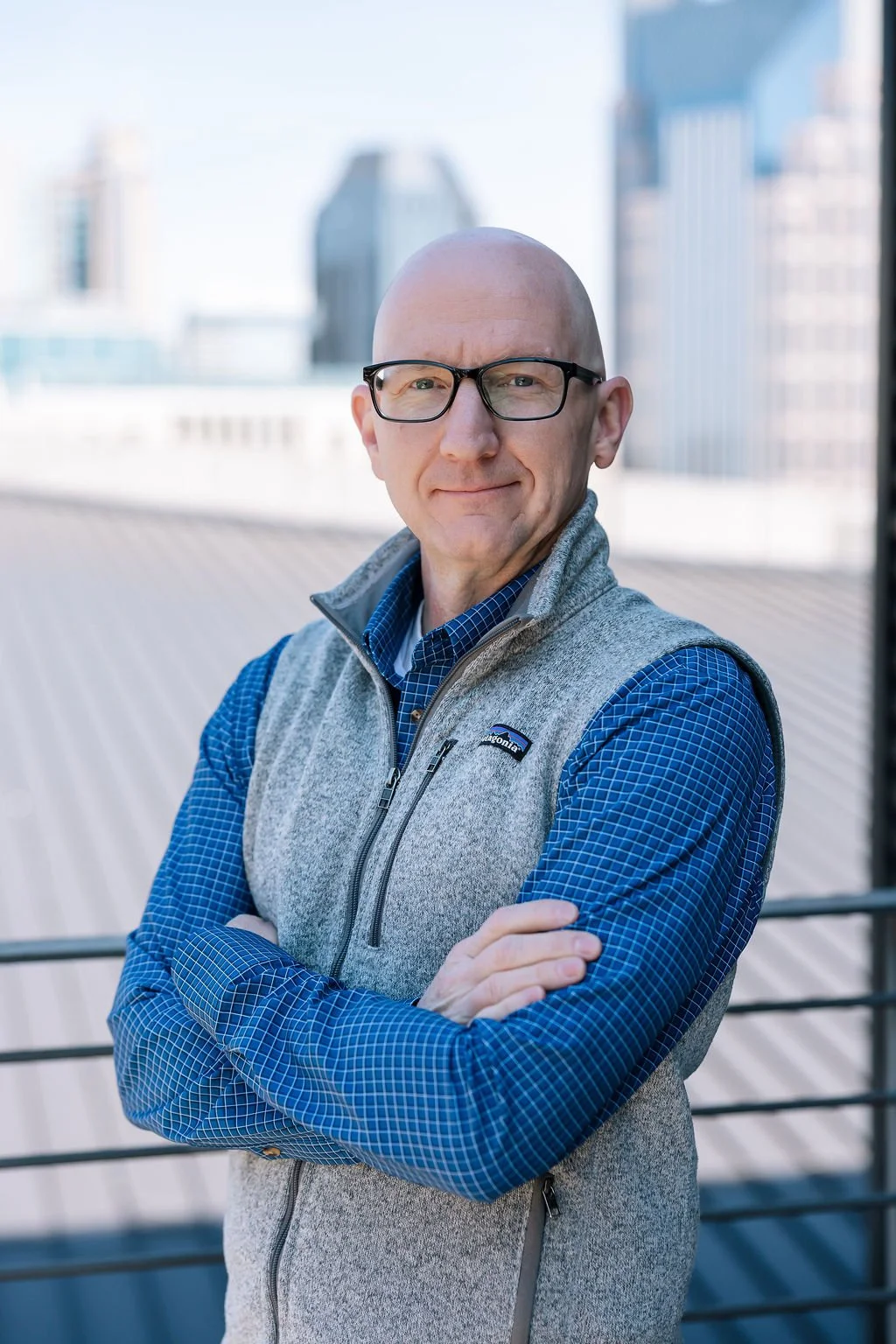
Brian Bost, MD, MPH, is the physician behind B2 Direct Care, a physician-led, solo DpC micropractice in Denver, Colorado.