Why I Don't Call It Direct Primary Care
I operate a direct primary care practice — that's the licensure, the regulation, the door that lets me practice this way. I still don't call it that. Here's the difference between the practice I'm licensed as and the name I chose to put on it.
A few months ago I was at the direct primary care conference in New Orleans, and I kept circling back to the same thought. I've never called my practice B2 Direct Primary Care. I called it B2 Direct Care.
I've written before about the small "p" — DpC instead of DPC, direct and care over primary. This is the other half of that decision. Not just how I spell it, but why "primary" isn't in the name at all.
What I don't have
I'm a Med-Peds physician — dual boarded in internal medicine and pediatrics. I love the range of people that training lets me care for, and I'm proud of it.
But sitting with my family medicine colleagues in New Orleans, I was reminded of what I don't have. They carry a depth I don't. Dermatology. Procedures. A working knowledge of OB that I never picked up — I know almost nothing about pregnancy care. That's not false modesty. That's the honest gap between their training and mine.
Regionally, and especially where I trained, a lot of traditional primary care practices ran as a real team — family medicine, OB, pediatrics, internal medicine, covering for each other, each person bringing their own depth to a shared community. I never had that structure. I came up in a hospital, then built something new on my own.
The referralologist
As a hospitalist, I've said for years: God bless my primary care colleagues, because they carry a skill set I let atrophy the moment I specialized. But I think that undersells what they actually do.
A community-based physician is managing a huge amount of diabetes. Cardiac disease. Renal disease. GI disease. That's not entry-level medicine — that's secondary and tertiary management, done in a fifteen-minute visit, with none of the time a specialist gets to do the same work.
Fee-for-service didn't create that skill set. It just refused to pay for the time it takes to use it. A physician doesn't have the room in fifteen minutes to think through how a new heart medication might affect a patient's kidneys, or how a hard week is affecting the exercise they can manage. Medically and legally, the problem still has to be addressed. So the visit ends the only way it can: with a referral. Not because the physician can't do the thinking — because the model won't give them the time to do it.
I've watched primary care get flattened into referralology. Not by choice. By design.
Every community doctor is a specialist
I saw a different version of this when I spent time in South Africa. General practitioners doing cataract surgery. Doing minor surgery. Doing C-sections, including the spinal anesthesia for them. None of them were specialists on paper. They were GPs who'd been given the scope, the time, and the trust to use everything they knew.
That's not exotic. It's close to what "the family doctor" used to mean everywhere, including here. When physicians had real time with patients, the community doctor was often the most versatile clinician in the building — not because they knew less than a specialist, but because they had to know more, across more of the body, for more of the population they served.
Med-Peds physicians are specialists for kids and adults. Family physicians are specialists for the whole community. Internists are specialists for adults. Pediatricians are specialists for kids. Obstetricians are specialists for women's health. I'd like us to say that plainly, instead of treating "I do primary care" as the answer to "so why didn't you specialize."
Why the name leaves "primary" out
None of this is a complaint about the DPC community. It's my community. I'm grateful to the physicians who built this movement while I was still working hospital shifts, and I practice under a direct primary care license because that's the regulatory door that lets a practice like mine exist at all.
But I've watched the word "primary" get used, inside the profession and out, to mean the doctor you see before the real doctor. I don't think that's true, and I didn't want my practice's name to reinforce it. So when I named this B2 Direct Care, and not B2 Direct Primary Care, it wasn't an oversight. It was a decision about what I wanted the name to protect — a patient population that already feels like the system decided they were too complex for their own doctor to handle, when the truth is the system just never gave that doctor the time.
I provide direct care to you. And I direct that care. That's the whole name, and it's the whole point.
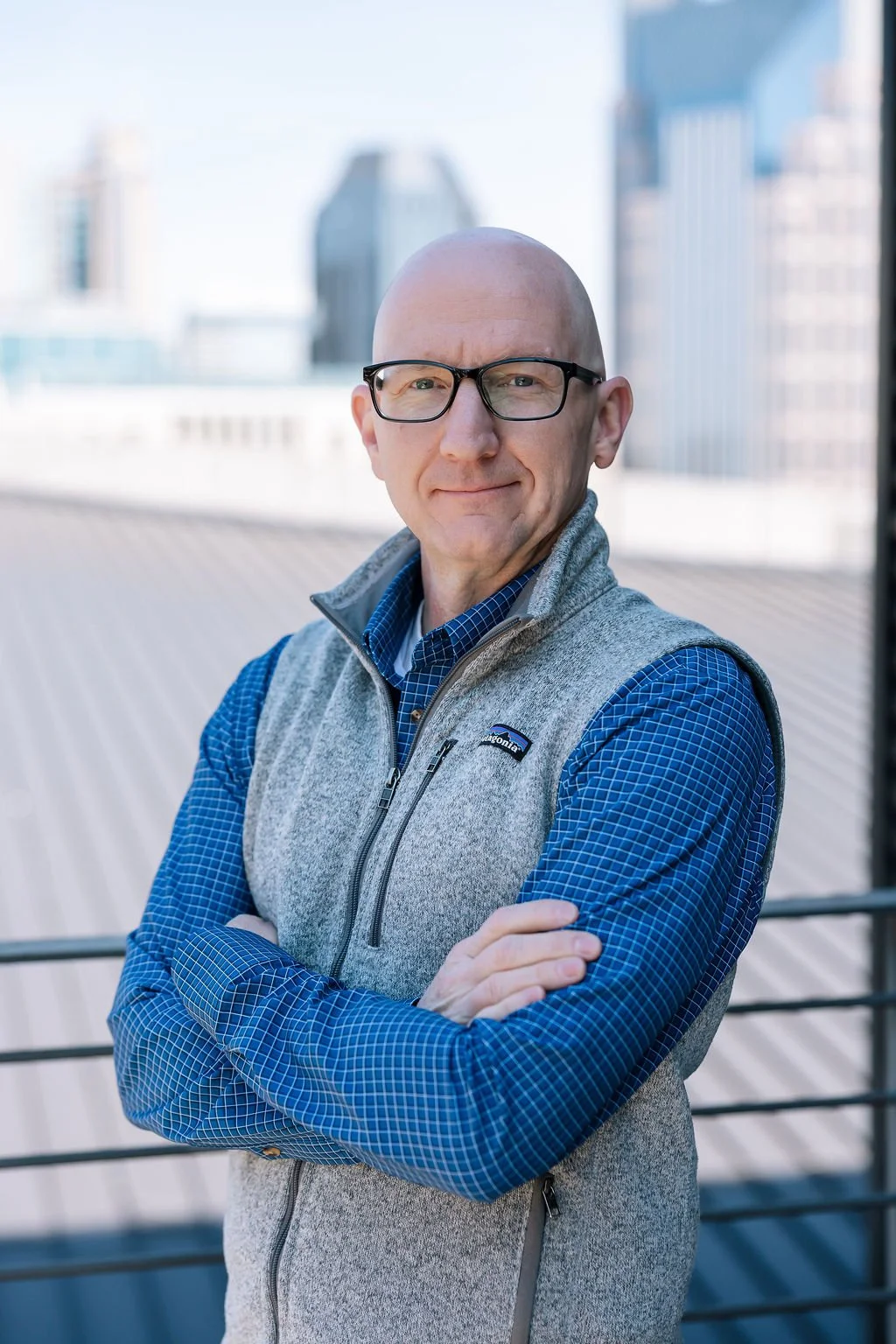
Brian Bost, MD, MPH, is a Med-Peds physician and Physician-Founder of B2 Health Solutions and its clinical practice, B2 Direct Care — a hospitalist-informed, solo DpC micropractice in Denver, Colorado.